← More LEGO answers · LEGO tips
How to Tell Real LEGO From Fake
Fake LEGO is everywhere, especially when buying online. The good news: most knockoffs fail the same few checks, and you can do all of them in under a minute.
The fastest check: look for the logo
- On minifigures: pop the head off a minifigure. Real LEGO torsos have the LEGO logo on the neck post.
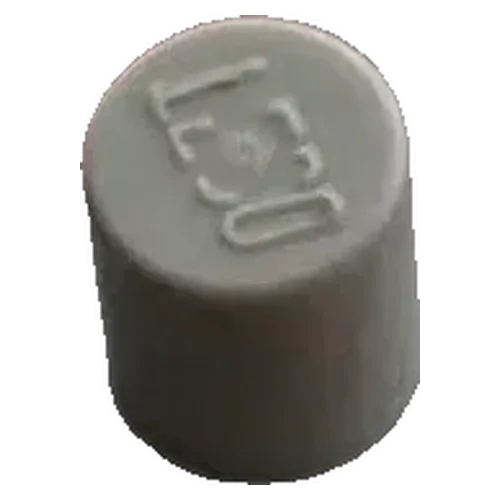
Real: logo on the neck post - On the studs: real LEGO bricks and many minifigure parts have the LEGO logo on top of the studs. Fakes often have blank studs or a different logo.
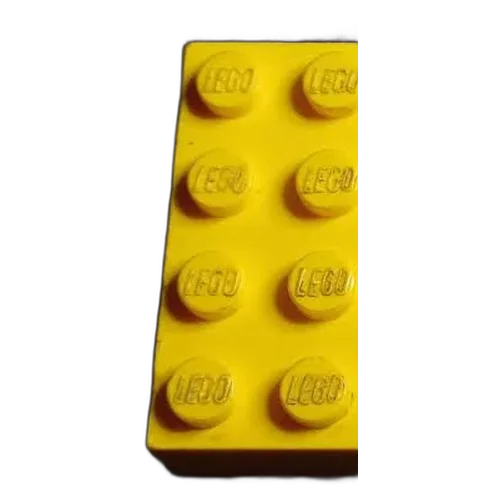
Real: logo on the studs 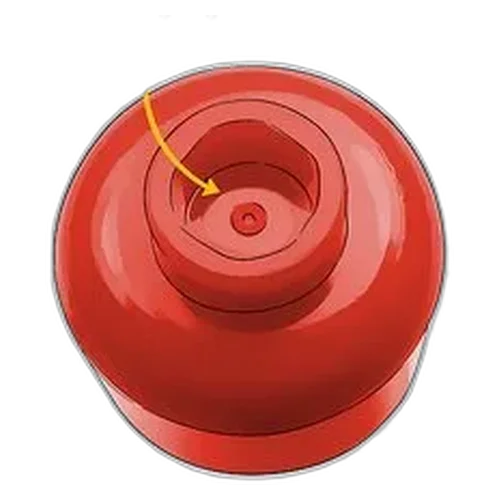
Fake: no logo (wikiHow) - On other parts: many heads, hair pieces, hats, and accessories carry the logo too, often on the underside next to the part number.
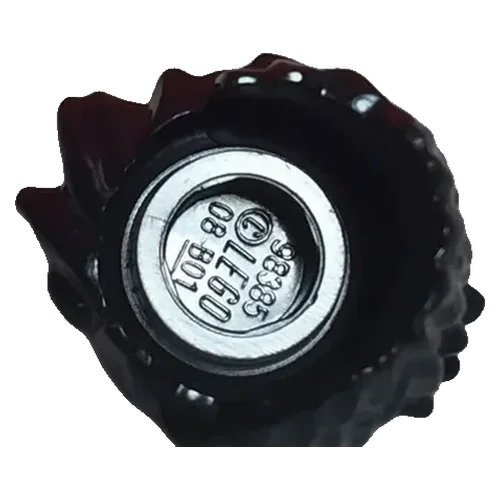
Real: logo + part number - But not everything has it: some real LEGO minifigure accessories and very small parts have no logo at all, so a missing logo on a tiny piece doesn't automatically mean it's fake. Check the bigger parts first.
Check the print
- Real faces and torso prints have crisp, sharp edges.
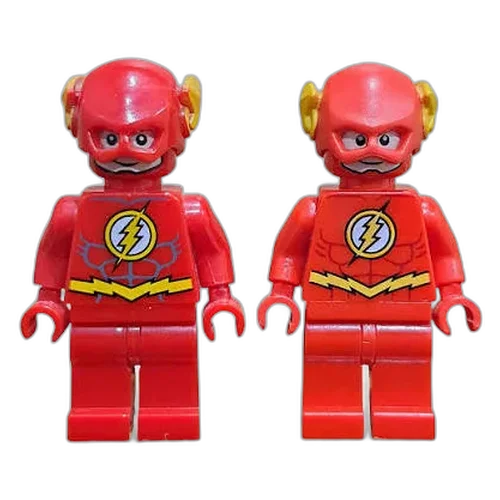
Fake (left) vs. real (right) - Blurry, smudged, or slightly off-center printing is one of the most common signs of a fake.
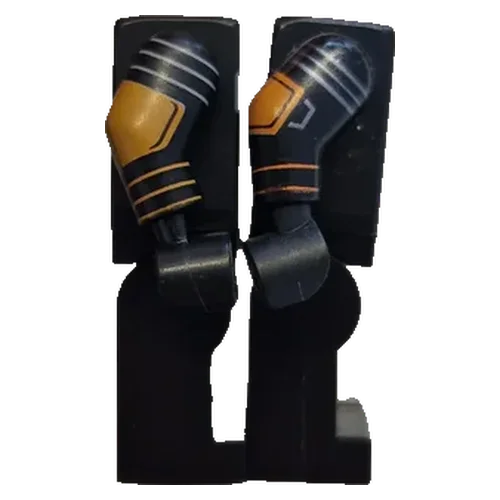
Compare prints side by side - Real printing feels smooth and doesn't scratch, peel, or feel textured.
Feel the plastic
- Real LEGO feels firm and solid. Fakes often feel waxy, light, or slightly bendy.

Real: solid, clean plastic - Colors should match official LEGO colors. Fakes can look a little too bright, too dull, or see-through.
- Look for messy mold lines or extra plastic around the edges. Real parts are clean.
Test the fit
- Real LEGO clicks together with the same firm grip every time.
- Real minifigure hands hold accessories firmly, and arms and legs hold their position.
- Floppy joints, or parts that are way too tight, are a red flag.
Watch the price and the wording
- A rare or licensed minifigure selling for a few dollars is almost always fake.
- Listings that say "compatible with," "works with," or "LEGO-style" are telling you it's not real LEGO.
- Blurry box art, off colors, or spelling mistakes on packaging are another giveaway.
Fake vs. custom: not the same thing
Not every non-LEGO minifigure is a scam. Custom minifigures are often real LEGO parts with new printing, or clearly labeled third-party parts made for builders. A fake pretends to be official LEGO; a custom doesn't.
Get answers like this every week
Portal's Pull List: LEGO news, collector prices, and free builds. Free, every week.
Free, every week. Unsubscribe anytime.
Questions
- How can I tell if a LEGO minifigure is real?
- Pull the head off and look for the LEGO logo on the neck post, then check for crisp printing and firm, solid plastic.
- Do real LEGO pieces have the logo on them?
- Yes. Real bricks have the LEGO logo on the studs, and most minifigure parts carry it somewhere.
- Why are fake LEGO minifigures so cheap?
- They skip LEGO's licensing, materials, and quality control. A rare figure at a tiny price is the biggest warning sign.
More LEGO answers
Sources: